A better medical imaging experience is typically equated with more detailed images. However, a good radiology serves more than one function. It’s essential to know whether the examination provides appropriate information for a particular medical scenario.
A person with a suspected joint disorder, for example is a different diagnosis than someone who is going through breast imaging or a scan of the prostate. Modern radiology considers the differences in these cases by employing various imaging techniques and not just one scanner to address all cases.
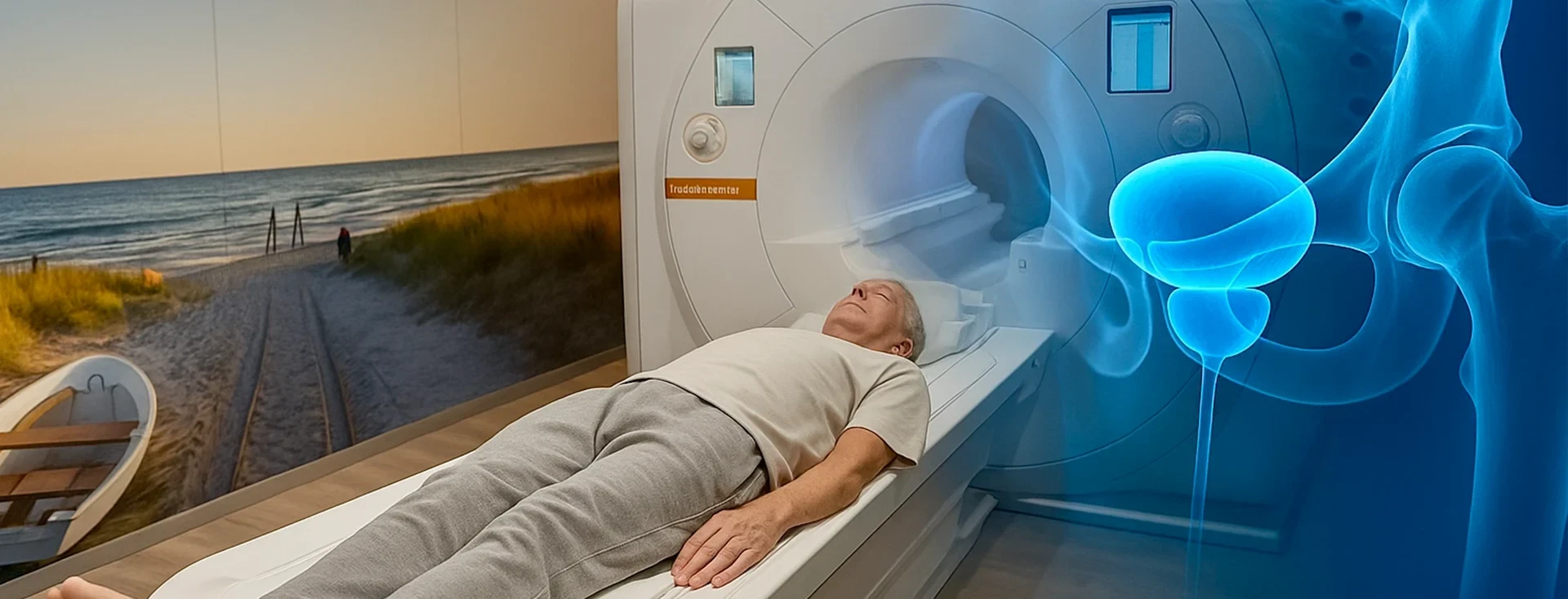
Image credit: diagnostikzentrum-wolfsburg.de
The private consultation at the Wolfsburg Diagnostic Center gives patients access to many imaging and diagnostic services within one radiology clinic.
Different areas of the body show themselves in different ways
The appearance of bones, soft tissue organs, joints, and other tissues will be different based on the imaging technique employed.
Magnetic resonance imaging may be especially beneficial when a precise image of soft tissue structures is needed. The Wolfsburg Diagnostic Center has two 1.5 Tesla MRIs that are utilized to conduct examinations of the spine and the brain and also internal organs and soft tissues. To get more details, click here CT Wolfsburg
MRI doesn’t use X-rays. When medically necessary it is possible to provide more focused examinations like prostate MRI or whole-body MRI.
It is vital to note that the word “MRI” that describes the technology, is not the exact same as the query asked by the patient.
CT Offers a Different Kind of Points of View
CT has its own role in diagnostic medicine. CT utilizes X-rays for detailed cross-sectional images of the body. Low-dose technology is utilized at the Wolfsburg Diagnosis Center to lower radiation levels while preserving the quality of the images.
The individual clinical situation will determine the most appropriate imaging method. It’s not required that a higher-quality image means it is better.
Digital Xrays are still relevant
With MRI and CT getting a lot of attention, conventional X-ray imaging might sound outdated. The X-rays that are digital today tells a very different story.
Digital systems are still a common method to look at skeletal structures. High-resolution imaging can be combined with radiation-safe techniques within modern equipment.
The most recent technologies are not only replacing the older ones however, they are increasing the possibilities for radiologists.
Breast Imaging Provides Value an Intensive Method
Breast diagnostics are another example of specialized imaging. The center offers mammography including 3D mammography or tomosynthesis, and breast ultrasound. These technologies provide different forms of imaging information, and could be utilized based on the particular medical situation of the patient.
Radiology is constructed on the same basis: understanding what needs to investigated is essential for effective imaging.
Imaging can help guide the treatment
Radiology goes beyond just detecting and checking for any abnormalities. The Wolfsburg Diagnostic Center also performs CT-guided periradicular therapies (PRT) which is a procedure where CT imaging provides guidance during the procedure. Another option for treatment is low-dose radiation therapy.
These examples illustrate the ways in which imaging technology can go beyond the realm of observation and be used in precisely guiding the medical treatment.
Specific and focused questions
Modern diagnostic centers aren’t defined by the number of devices they possess. Its importance is in applying the correct technology to clearly defined medical requirements and having skilled specialists examine the images that result.
In private consultations in Wolfsburg patients can are able to access a wide range of radiological exams including specialist services, as well as direct discussion of their findings.
It’s not just about produce more pictures. The aim is to produce information that is clinically relevant and will aid patients and doctors to better be aware of the medical issue that is being studied.