Color may be exactly right, but several hours in the wig brings out a problem with cap comfort. For another wearer, the benefit of the natural-looking hairline comes with a drawback: a twenty-minute lace adjustment at the start of each day is more than they want. Someone else buys a beautiful unit, only to discover that the density feels heavier than expected.
There is more practical insight in these comments than a wig business might initially see. They point toward opportunities to create wigs customers genuinely like to wear.
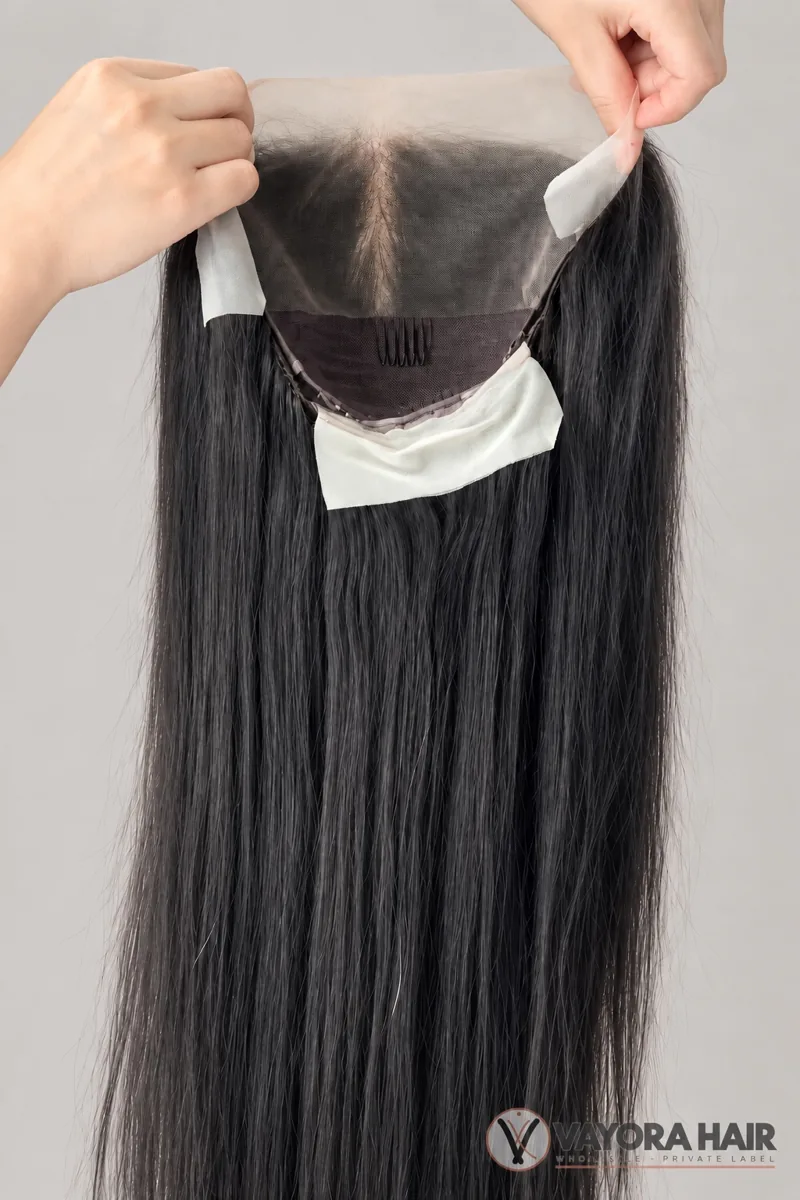
Image credit: vayorahair.com
Successful wig collections aren’t necessarily built around the latest viral hairstyle. They’re built around understanding what customers want to experience when they put a wig on.
Look Beyond the Sale
Buyers seldom use technical manufacturing language to explain what they need. They talk about comfort, convenience, appearance, and confidence. The desire to make the morning routine easier may indicate a need for a glue-free construction. If customers say the hairline looks unnatural, the team may need to review lace appearance and knot treatment, along with the density or design of the part.
A human hair wig manufacturer China brands work with should be able to translate these everyday concerns into measurable product specifications.
A request for a 22-inch body-wave wig can go much further: buyers can specify the desired wearing experience, cap fit, lace construction, hairline appearance, and finished weight. That level of detail gives the development team a clearer target.
How to Differentiate Your Private Label Wig Range
A common mistake for developing wig brands is to stock their catalogs according to whatever is popular at the time. The consequence may be a product lineup that looks almost indistinguishable from those of competing stores.
Choosing a private label wig manufacturer China retailers can work closely with gives brands an opportunity to create a more consistent identity for their products. The identity might be expressed through a lightweight everyday collection, a premium natural-hairline line, or wigs designed for immediate wear intended for customers who prefer minimal preparation. Texture, length, color, density, cap construction, and packaging should support the same customer promise. Rather than relying solely on temporary price incentives, a recognizable collection offers shoppers another reason to come back.
Look Beyond the Glueless Label
Although the word “glueless” suggests simplicity, the experience of wearing the wig depends on multiple construction choices. Cap sizing, adjustment features, attachment components, lace preparation, and hairline design all influence how comfortably and securely a wig fits.
A glueless wig manufacturer China buyers choose should help clarify these requirements before production begins. A brand serving customers new to wigs, for instance, might focus on manageable density, pre-cut lace, and easy-to-use adjustment features. A professional stylist’s collection might require different customization options. Neither approach is automatically better. The two approaches address the needs of different customers.
Help Preserve Your Brand’s Reputation Through Sampling
A picture of a wig cannot reveal all the characteristics of the wig. Buyers need to examine how the cap fits, how the hair moves, whether the color matches expectations, and whether the finished construction reflects the approved design. Reviewing samples allows buyers to spot differences before placing a larger order.
Consistently producing the same style calls for documented product specifications and quality-control procedures, particularly for a wholesale human hair wigs supplier handling repeat orders. Even a successful initial batch may be hard to replicate consistently if there are no clear references.
Growing a Wig Collection With a Clear Direction
For B2B wig brands, retailers, and distributors, VAYORA provides support across product development, private label services, sampling, specification control, and repeat-production workflows. Physical details that affect how a wig looks, fits, and feels are connected to customer expectations through this approach.
Before expanding a catalog, brands should examine customer feedback, identify their strongest product opportunities, and establish clear approval standards. The next collection’s success may have little to do with the number of additional styles. It may require fewer compromises in the styles customers already want.