If you draw an outline around the lift station in an urban map, it is easy to see it as a piece of self-contained equipment.
In reality, water flows from somewhere, goes through the station, and continues somewhere else. It also relies on the structure as well as power, control systems, and access to the site.
One question that can be useful for project teams looking to identify the best lift station design is to consider the interfaces and not only what happens inside the station.
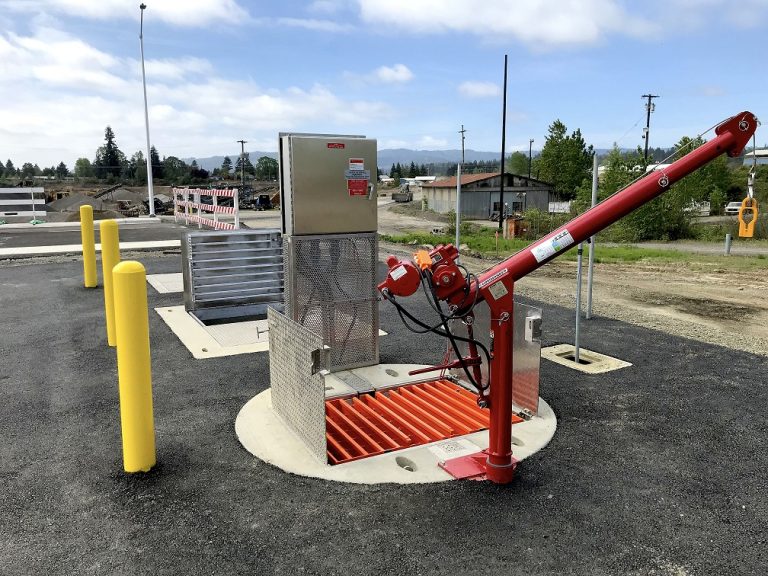
Image credit: romtecutilities.com
Begin Upstream of the Wet Well
Take a residential project that is being built as an illustration. The waste water flows through the collection systems to the lift station. The site elevation and incoming flow conditions help determine what the station is capable of handling.
When wastewater is able to reach an untreated well, a new set of engineering choices are made. The valves, pumps, piping as well as structural components, controls, and possibly other equipment need to be designed for the application.
Romtec Utilities is a wastewater system designer that designs systems that meet the unique needs of each location regardless of whether it is industrial, commercial or municipal.
That project-specific approach matters because changing what happens upstream can alter what the pumping facility has to do.
Follow the Water Beyond the Pumps
The engineering challenge doesn’t stop with the liquid leaving the well. The pumping system needs to move it in accordance with the hydraulic conditions of the downstream system. Required flow and head conditions determine the choice of pump and station design.
It is important to consider this aspect when you evaluate the best wastewater design firms. The specs of a pump are amazing, but their performance should be consistent with the whole hydraulic system.
Romtec Utilities has the ability to design the structural components that comprise mechanical components, electrical components, as well the communications systems for pumping stations as a complete package. This allows the system to be synchronized with the requirements established for the specific project.
Stormwater is a system of its own
Stormwater infrastructure is different. Runoff can flow into a collection system through developed surfaces, before moving through treatment, detention or drainage infrastructure. The station is a link in the larger stormwater plan where pumping is necessary.
For organizations searching for the best stromwater system designers, it is worth examining whether site conditions, flow rates, head requirements, environmental considerations, and the surrounding stormwater plan are evaluated together.
Romtec Utilities provides customized stormwater pumping solutions for residential and commercial projects.
Coordination Extends Above Ground Too
Not all interfaces involve pipe. Electrical service is essential for equipment support. Control and communication equipment must meet the requirements of the project. Contractors need to have the proper plans and documentation. Physical access might be required for installation, startup and later service.
This can be a complex project with multiple participants and different disciplines, which is why having a clear and concise system document is vital. Romtec Utilities can provide complete project plans and documents, and also provide assistance to its systems during beginning, testing and commissioning.
View Outside the Station Boundary
A lift station can be properly designed as an independent facility but still be an uncoordinated project if the external connections haven’t been given enough consideration.
The water is an excellent design guide. Where does it originate? What conditions do it have to pass through to arrive at the station? What happens once it’s there? What happens when it’s out? What infrastructure is needed to make the whole process work?
When you answer these questions, the design of a lift station is more than a simple piece of equipment. It is now a part of the infrastructure engineering.